Home/Mechanical/CAD, drawings and coursework
CAD, drawings and coursework
WSU coursework · SolidWorks, ANSYS, MATLAB · 2023–25
The rest of the degree worth showing, from 2023 to 2025: drawing sets, mechanisms, structural and fluid analysis, robotics, and a design for the circular economy.
Dolphin torch drawing set, 2023
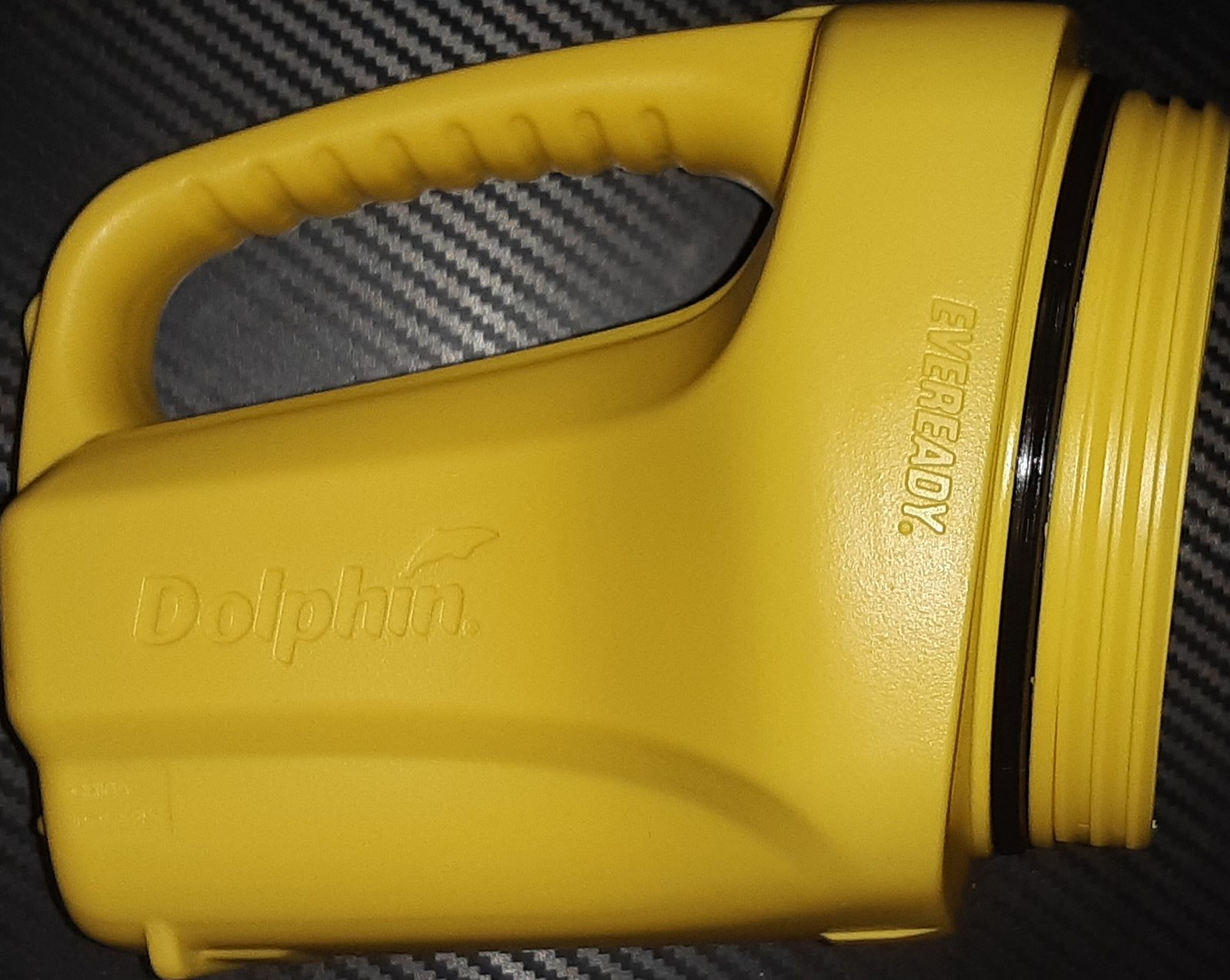
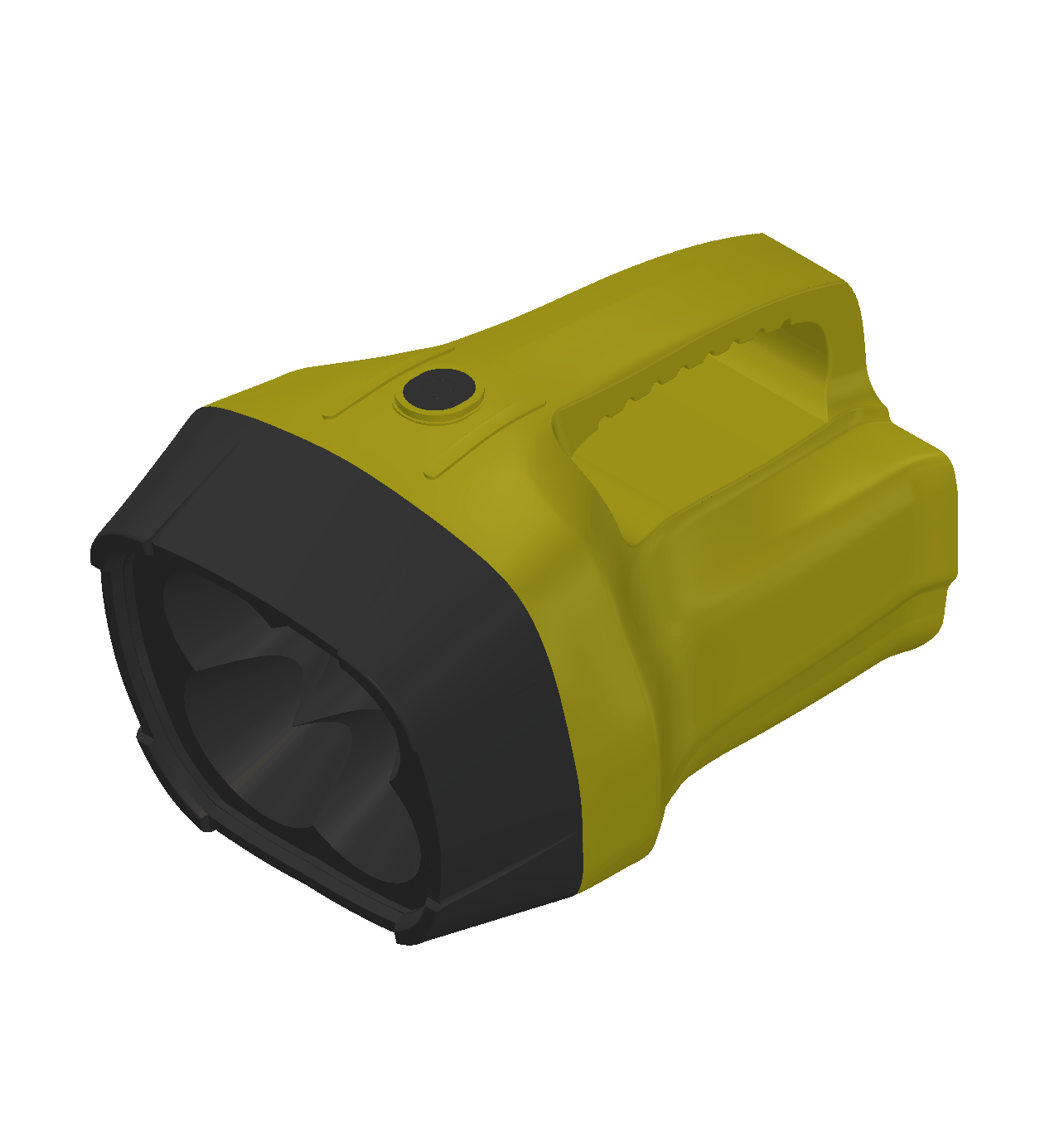
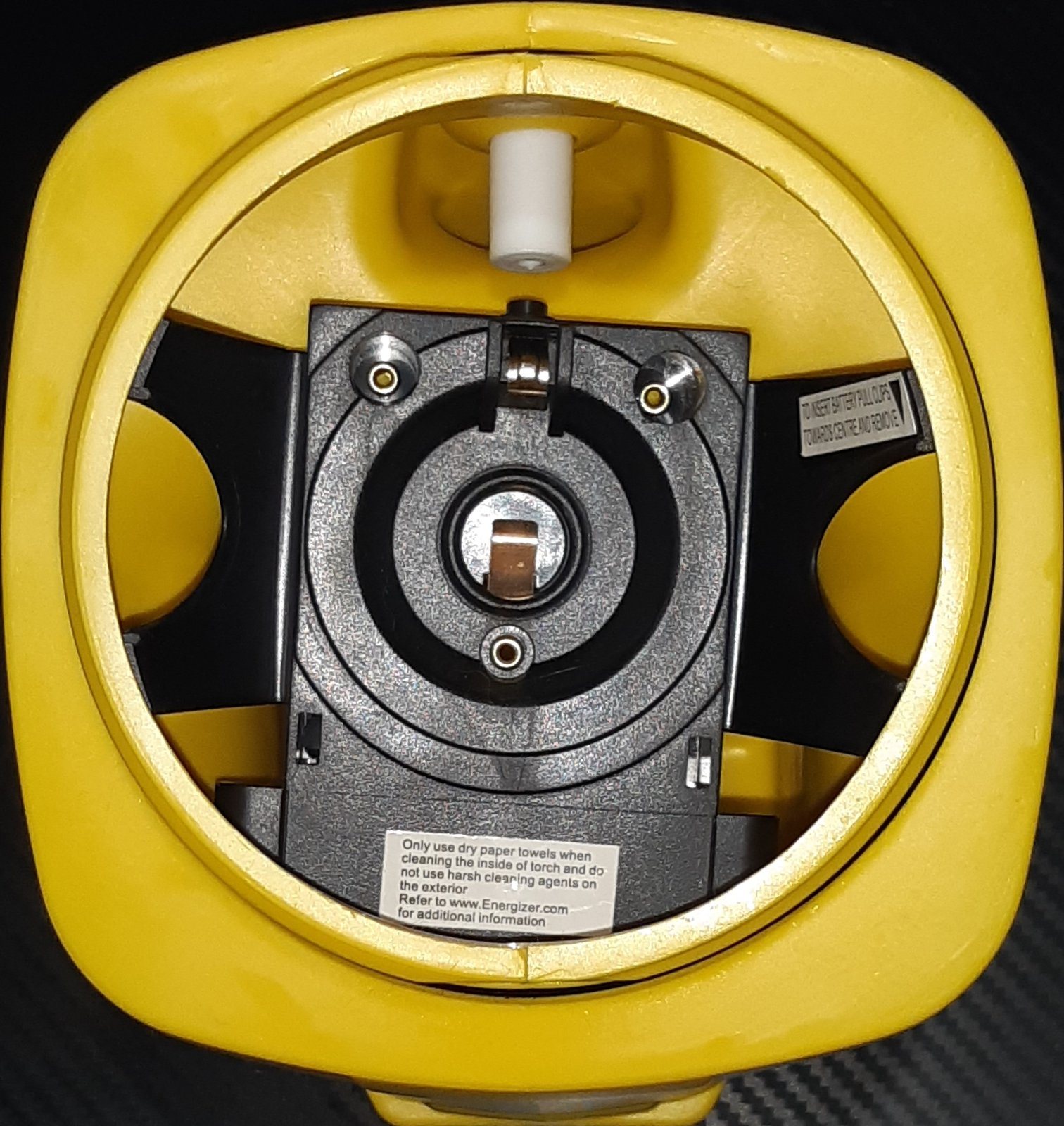
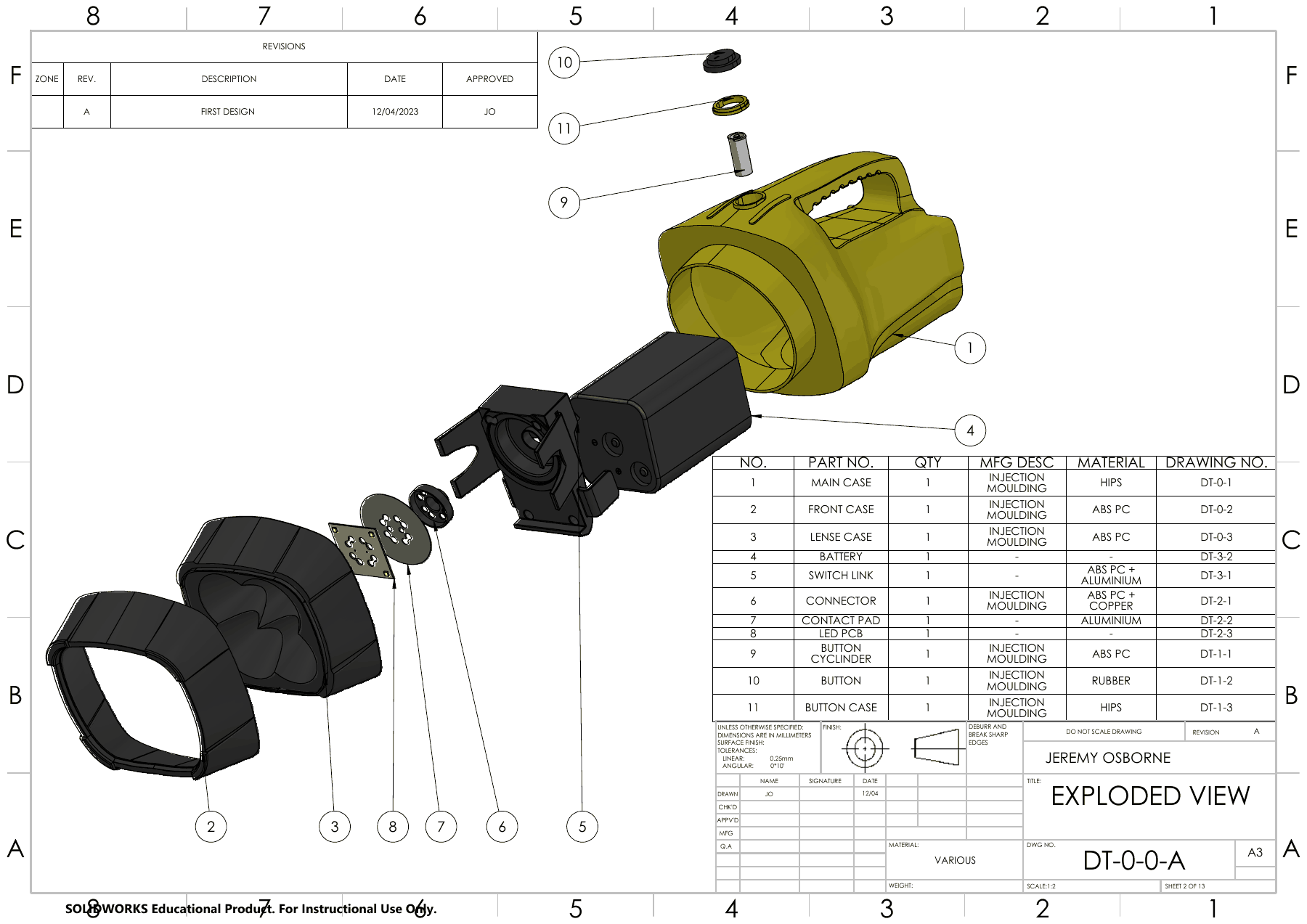
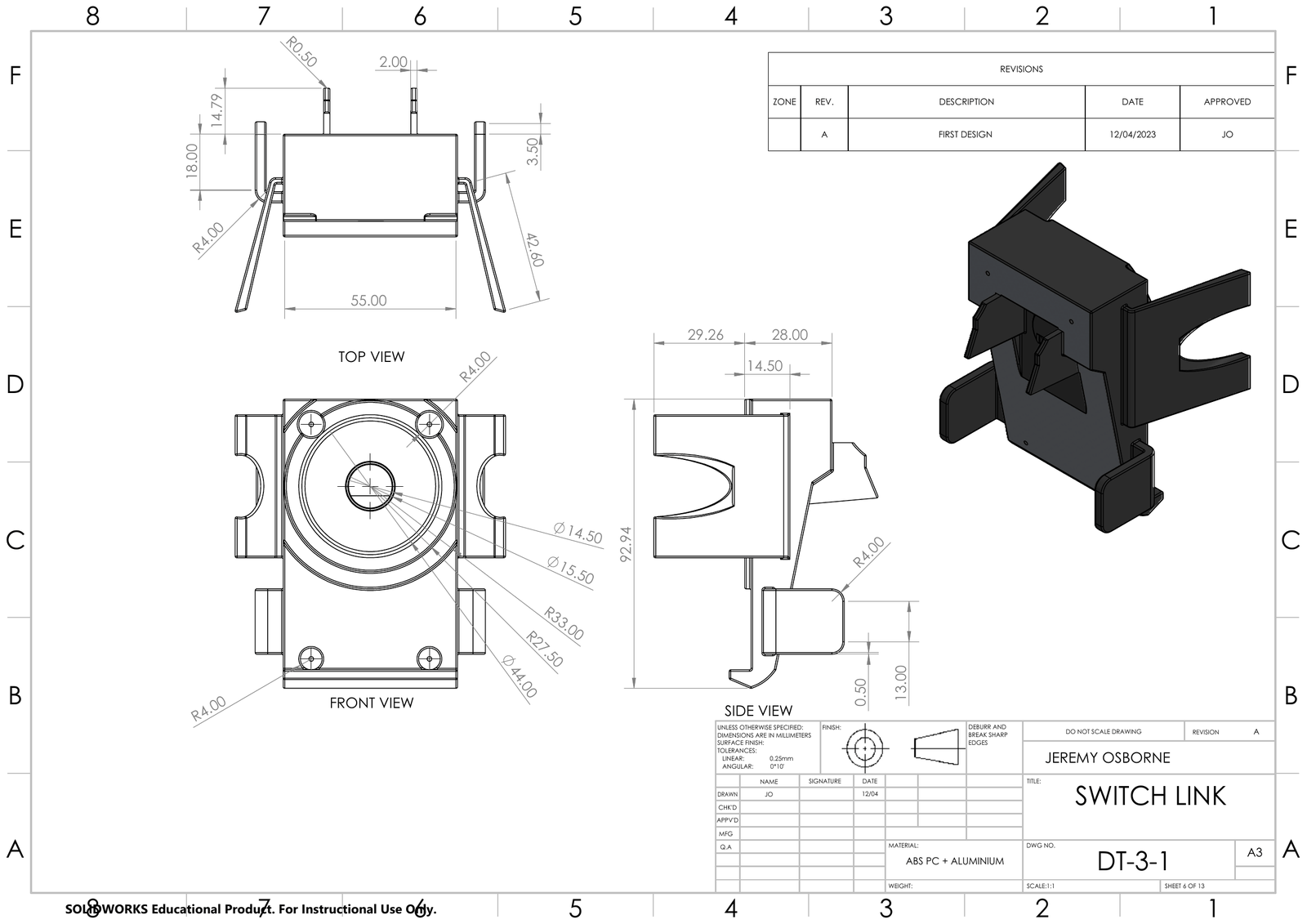
This was my first full drawing set, for ENGR2024. I photographed a Dolphin torch from every side, rebuilt it in SolidWorks and drew it up as 13 A3 sheets: an isometric, an exploded view with an 11-item bill of materials, then one sheet per part. Each part carries its manufacturing process and material, mostly injection-moulded HIPS and ABS PC, with rubber, copper and aluminium for the button and contacts. Moulded products like this are mostly draft angles, blends and datum choices you can't see from outside, which made it good practice for design intent.
E-bike drawing package, 2023
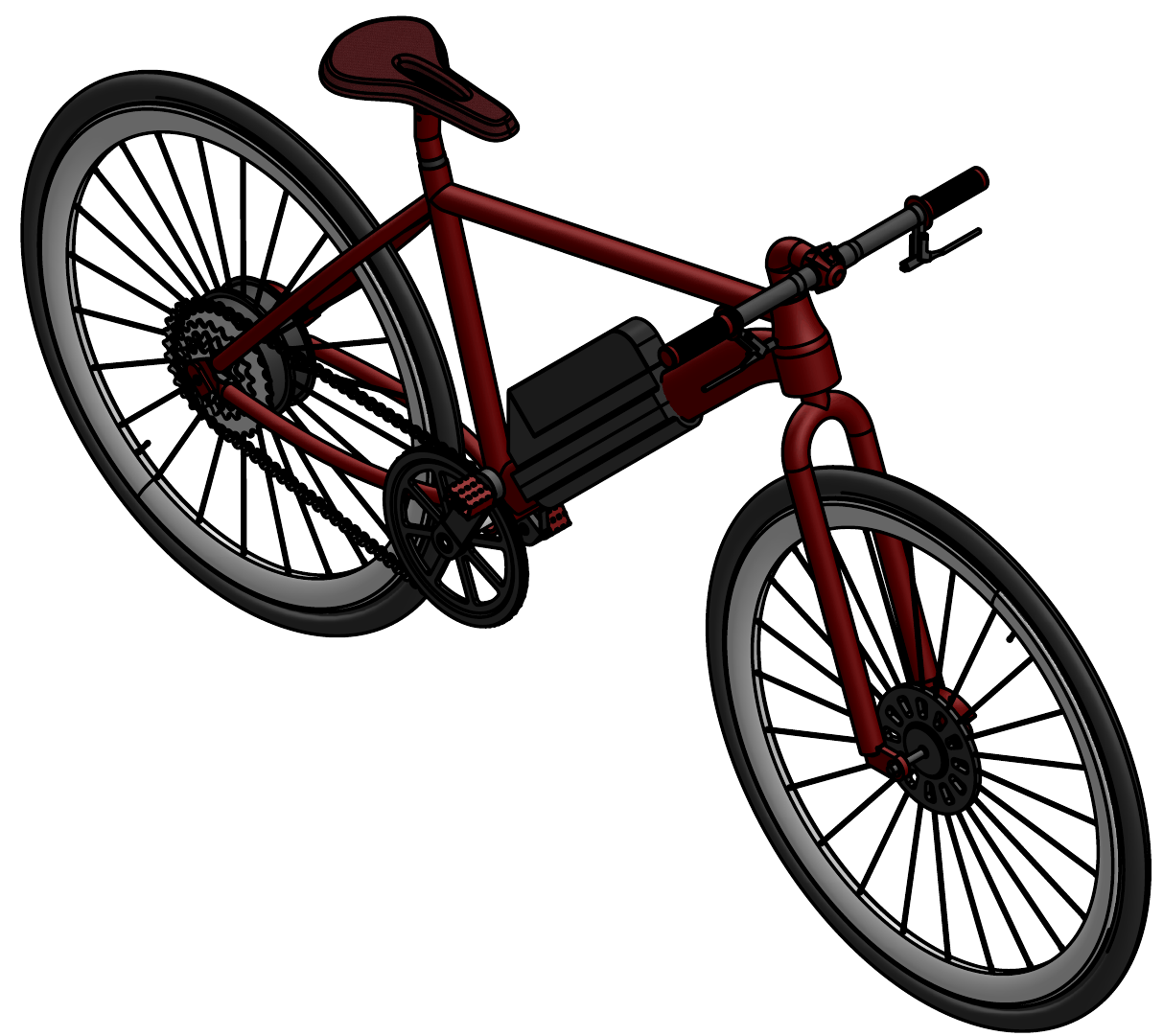
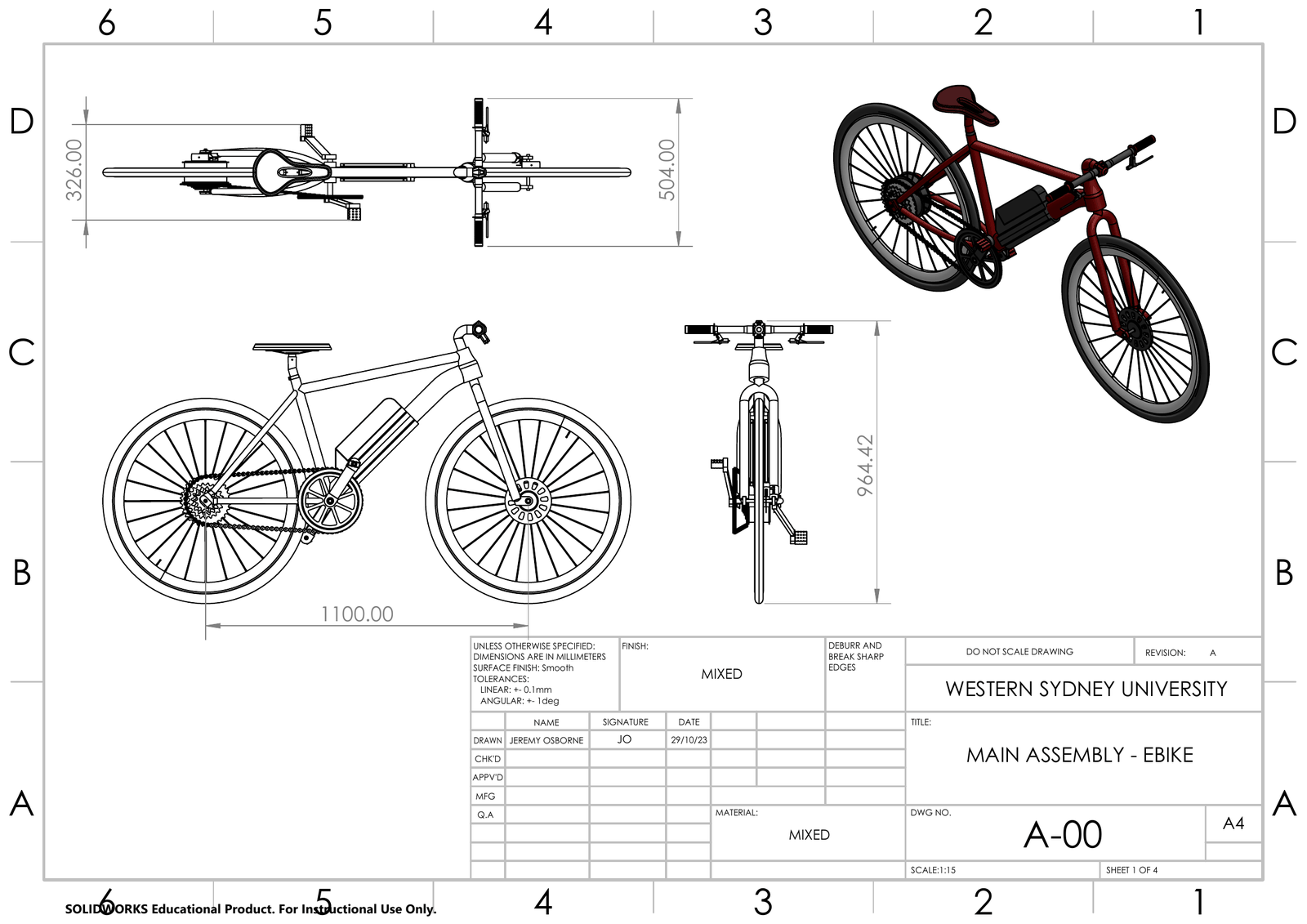
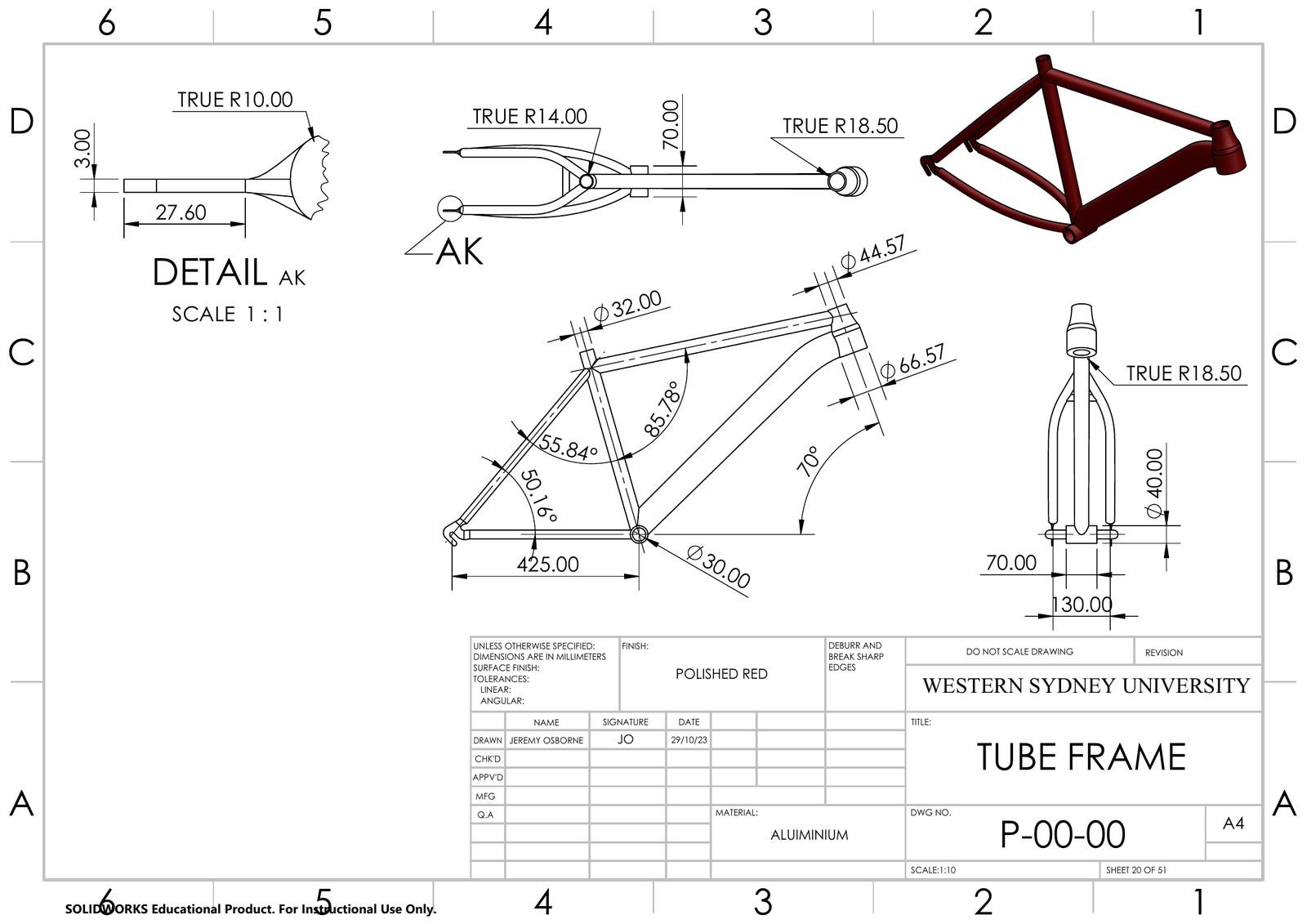
The e-bike was a group project, with a rear hub motor and the battery on the down tube. I drew the full package in SolidWorks: 55 A4 sheets, starting with four assembly sheets for the bike, both wheels and the disc brake, then one sheet for every part, from the aluminium frame to the brake caliper, pads and shaft collars. Every sheet carries its material and finish, with general tolerances of ±0.1 mm and ±1°.
Mechanisms in motion, 2023
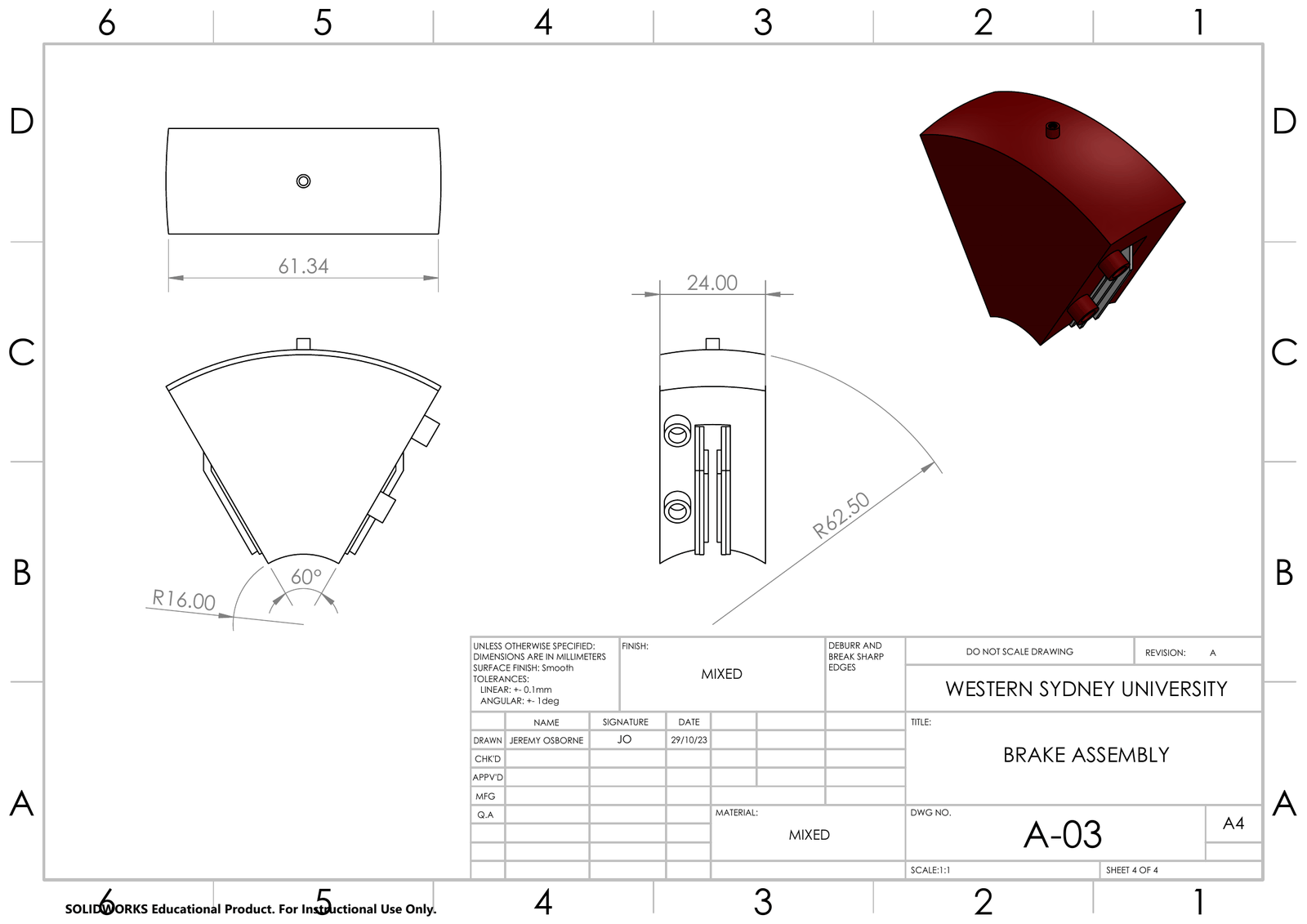
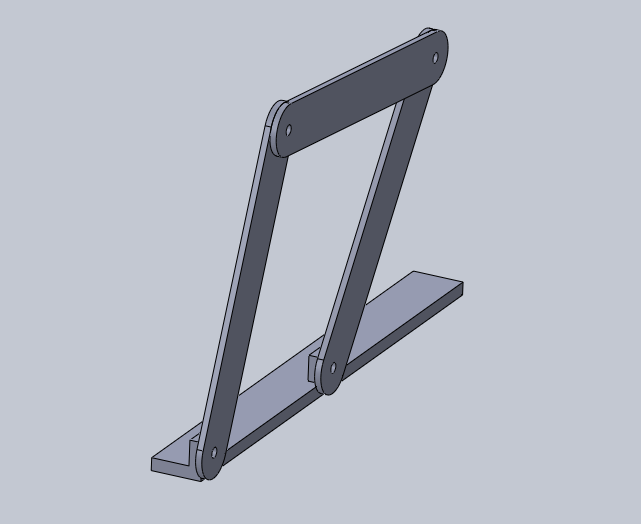
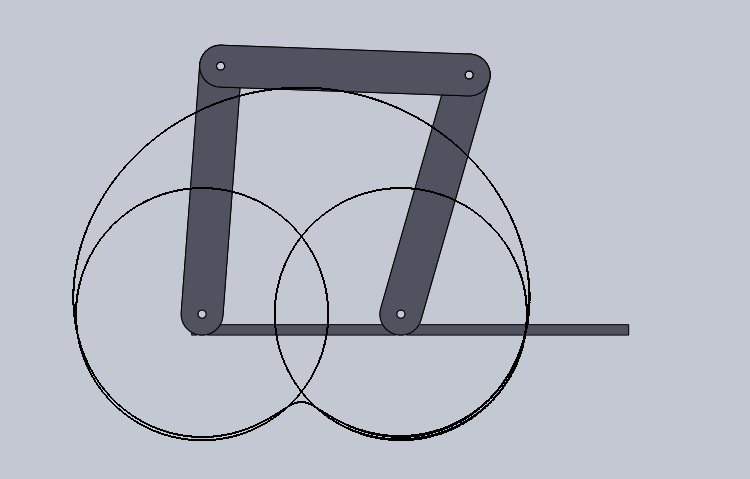
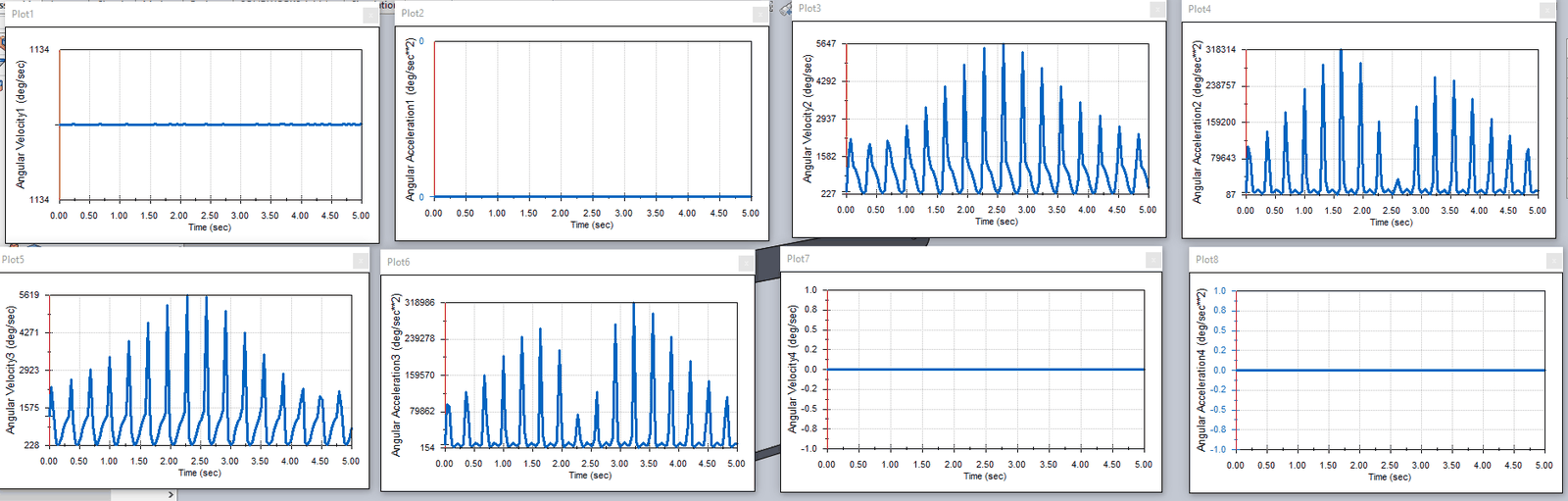
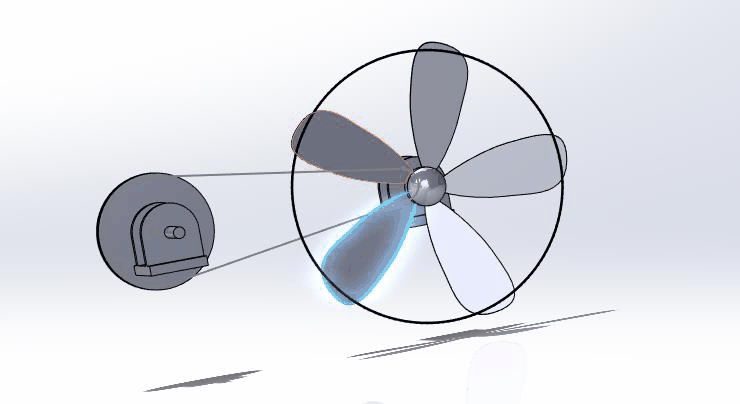
MECH3005 had two individual labs in SolidWorks Motion, run alongside the unit's group gearbox project. The first was a four-bar linkage: model the base and links, draw them up, drive one link with a motor, then plot the angular velocity and acceleration of every link and the path a point on it traces. The second did the same for a belt-driven fan on two pulleys, with pulley sizes set for each student.
Fluid dynamics in MATLAB, 2024
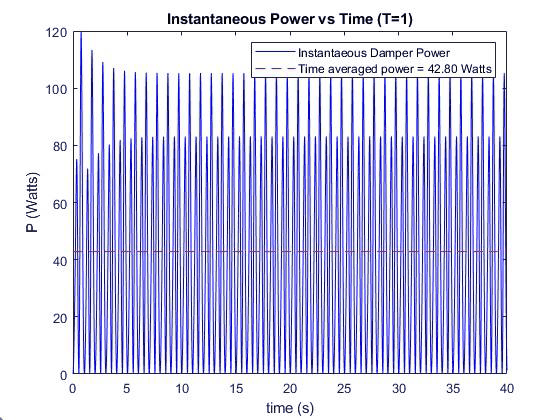
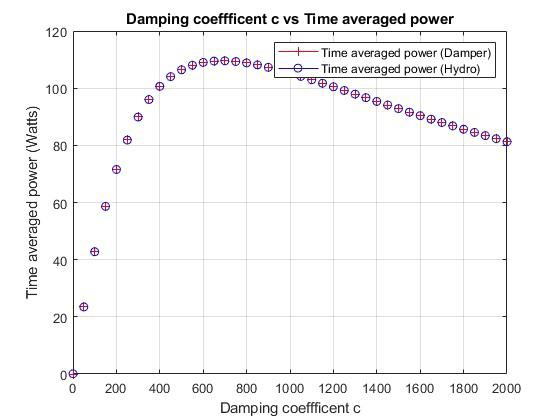
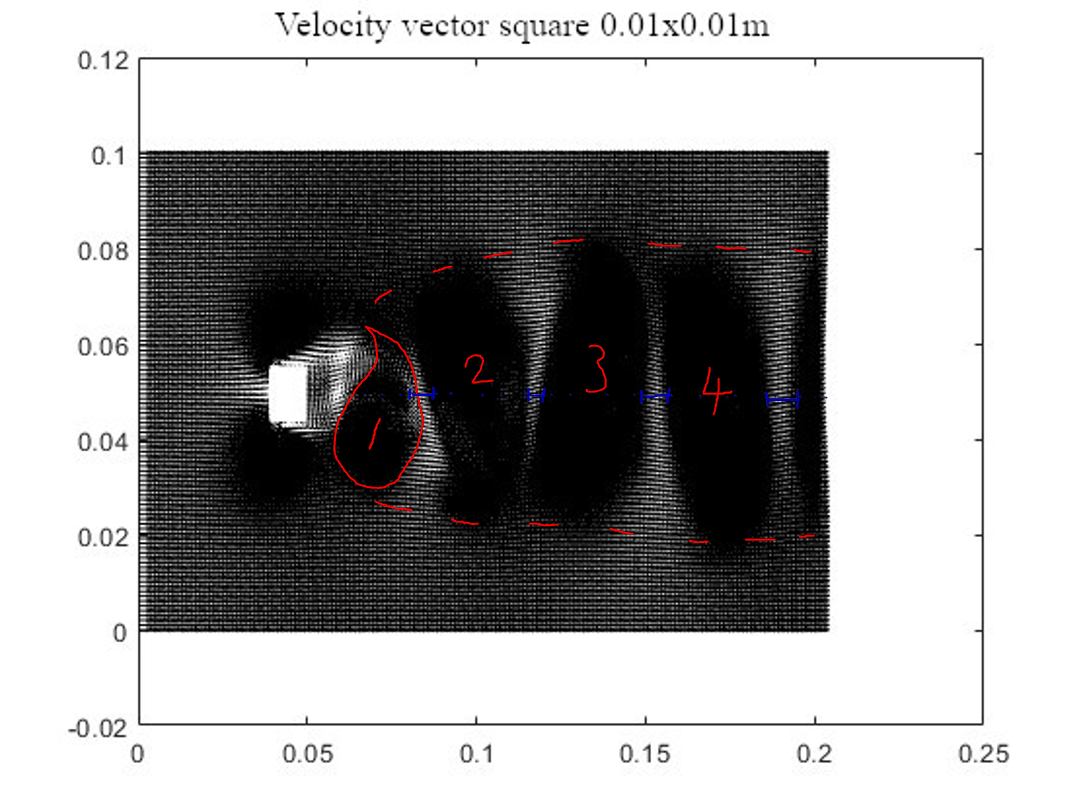
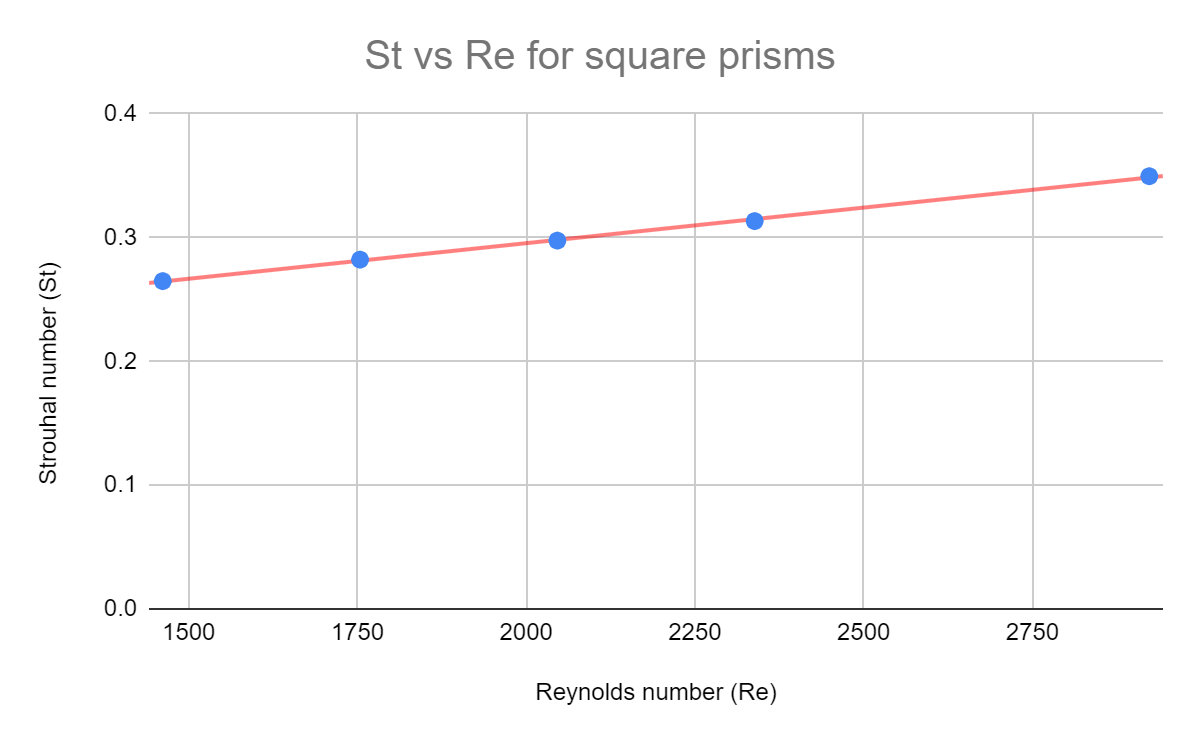
Here I wrote my own solvers in MATLAB. The first half modelled a cylinder oscillating in waves, with drag, inertia, a spring and a damper, stepped with fourth-order Runge-Kutta to find how much power the damper could extract: about 43 W in the base case, and up to about 110 W at the best damping. The second half solved flow past square and rectangular prisms, found a stable time step by testing Courant numbers, and measured drag and Strouhal number from the vortex street behind each one.
Heat exchanger CFD, 2024
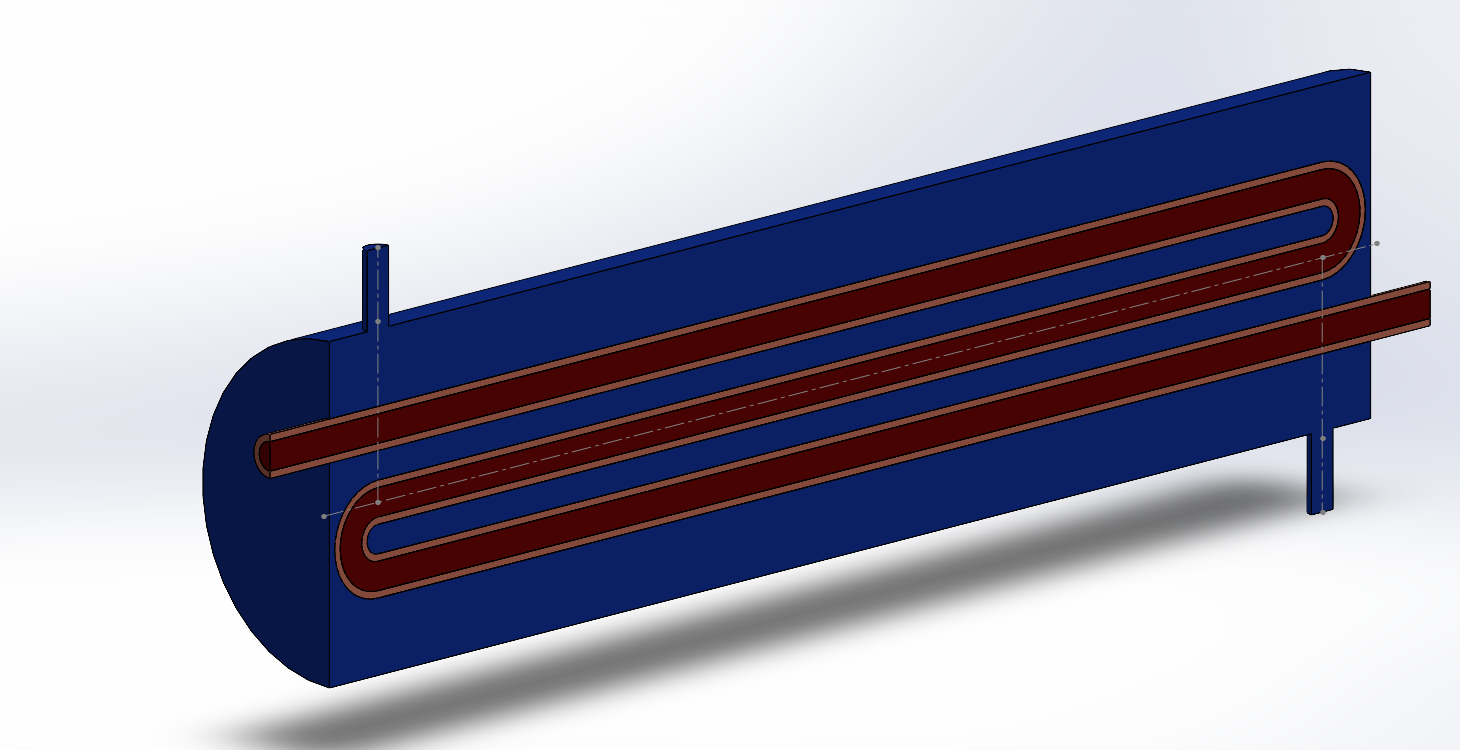
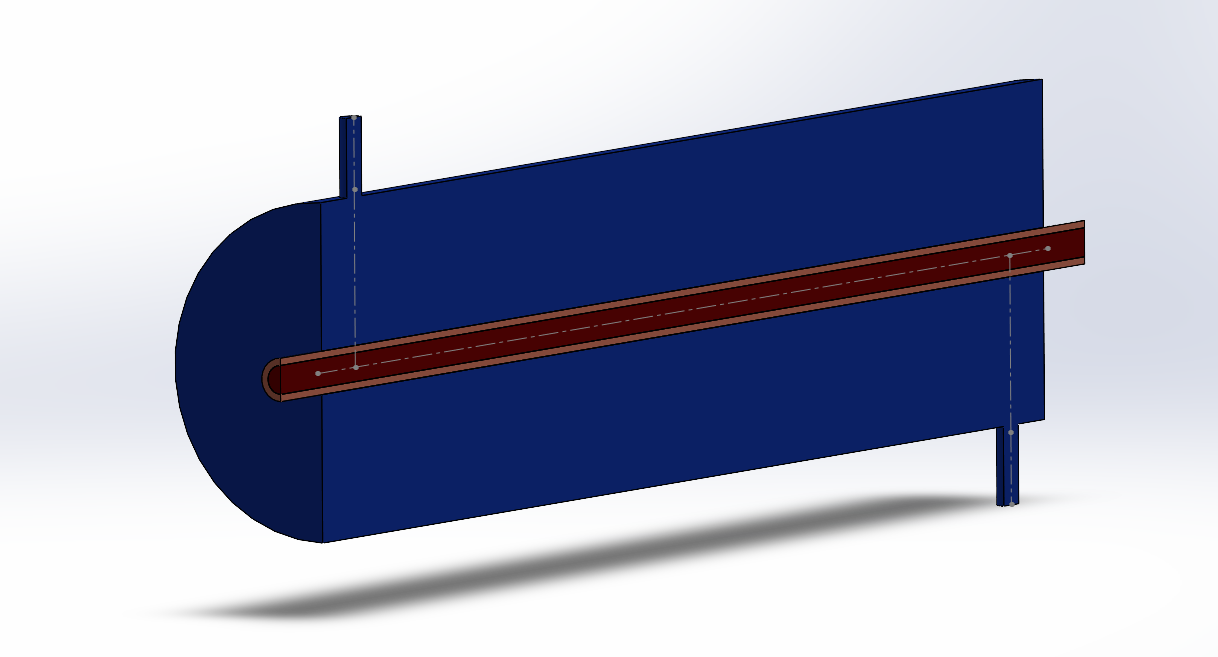
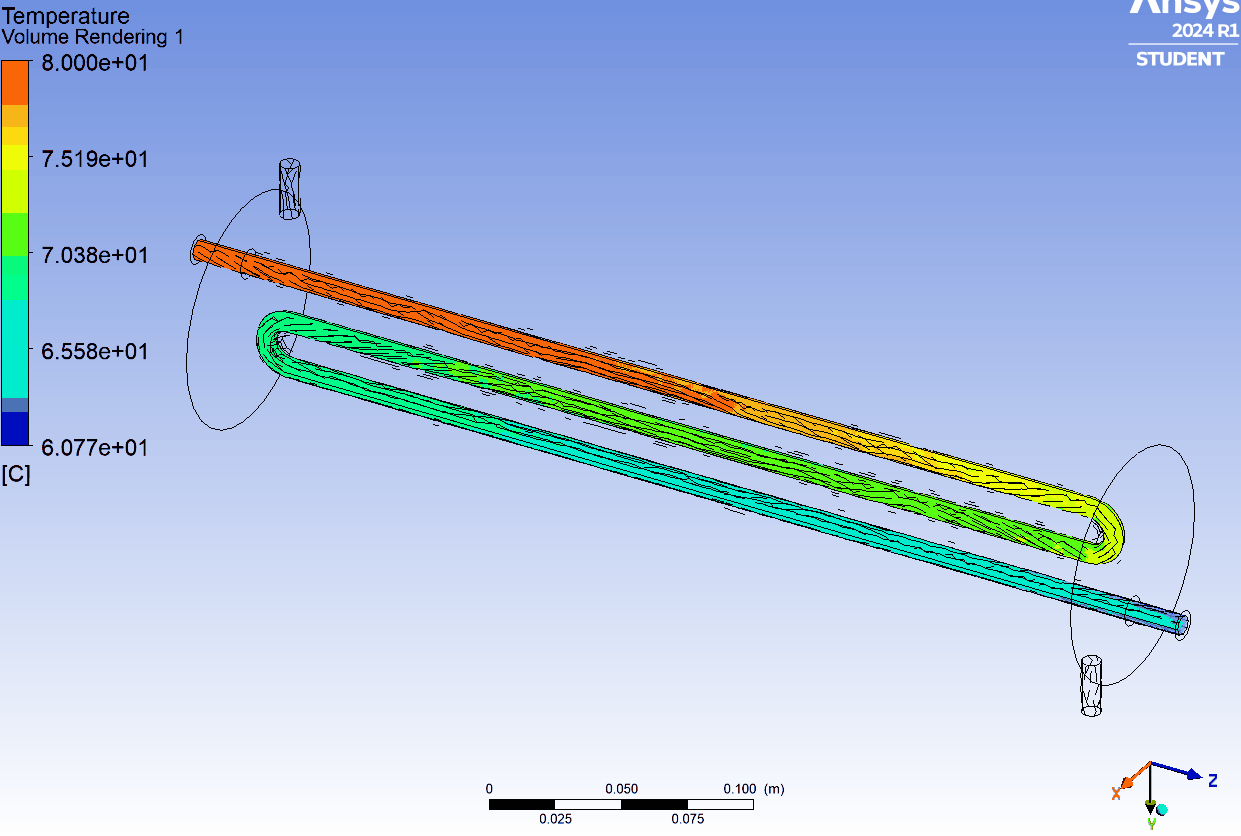
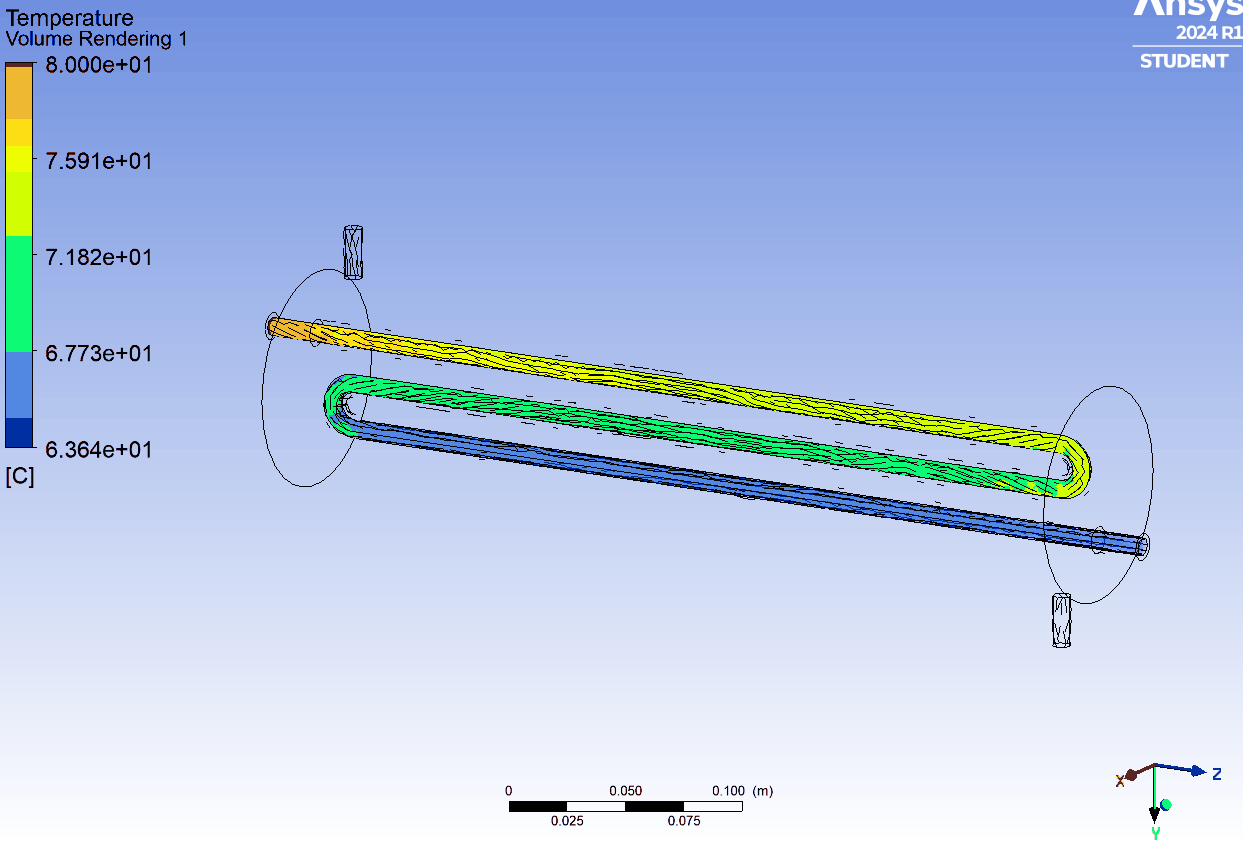
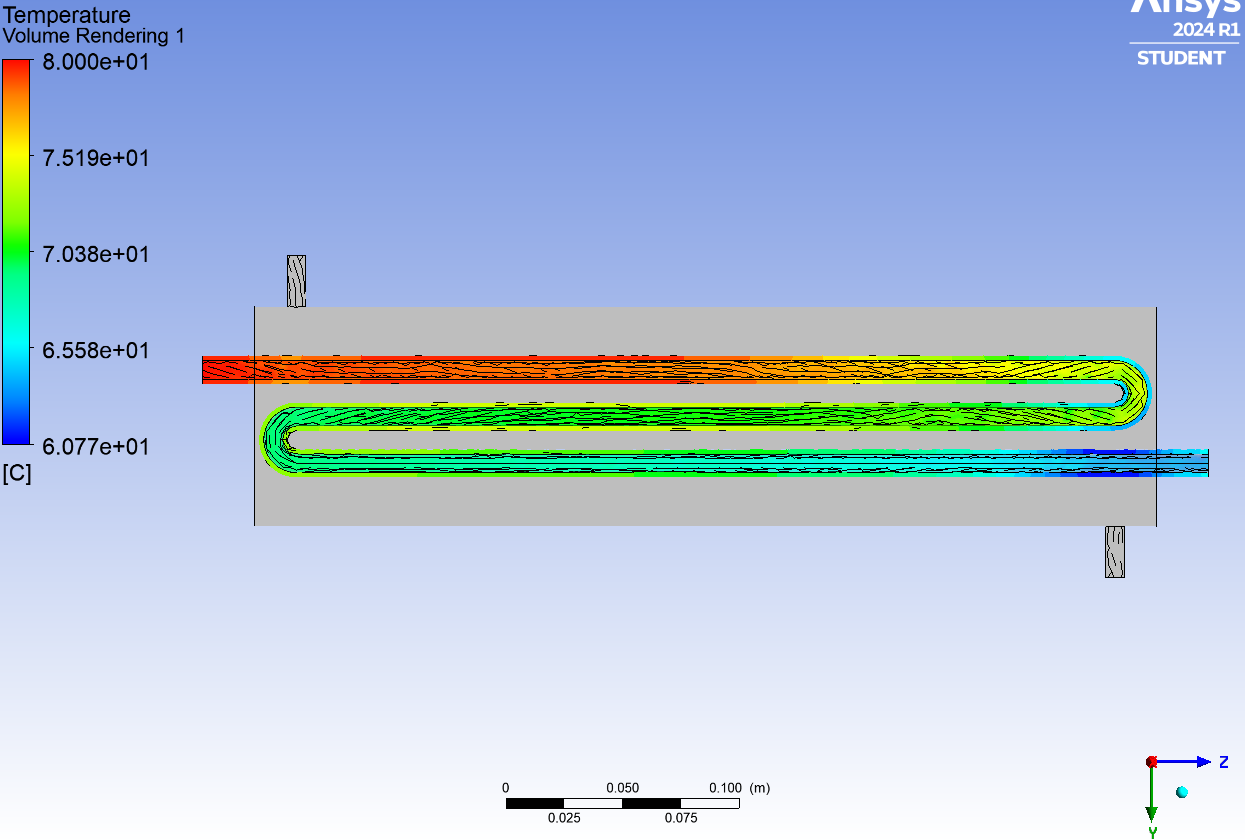
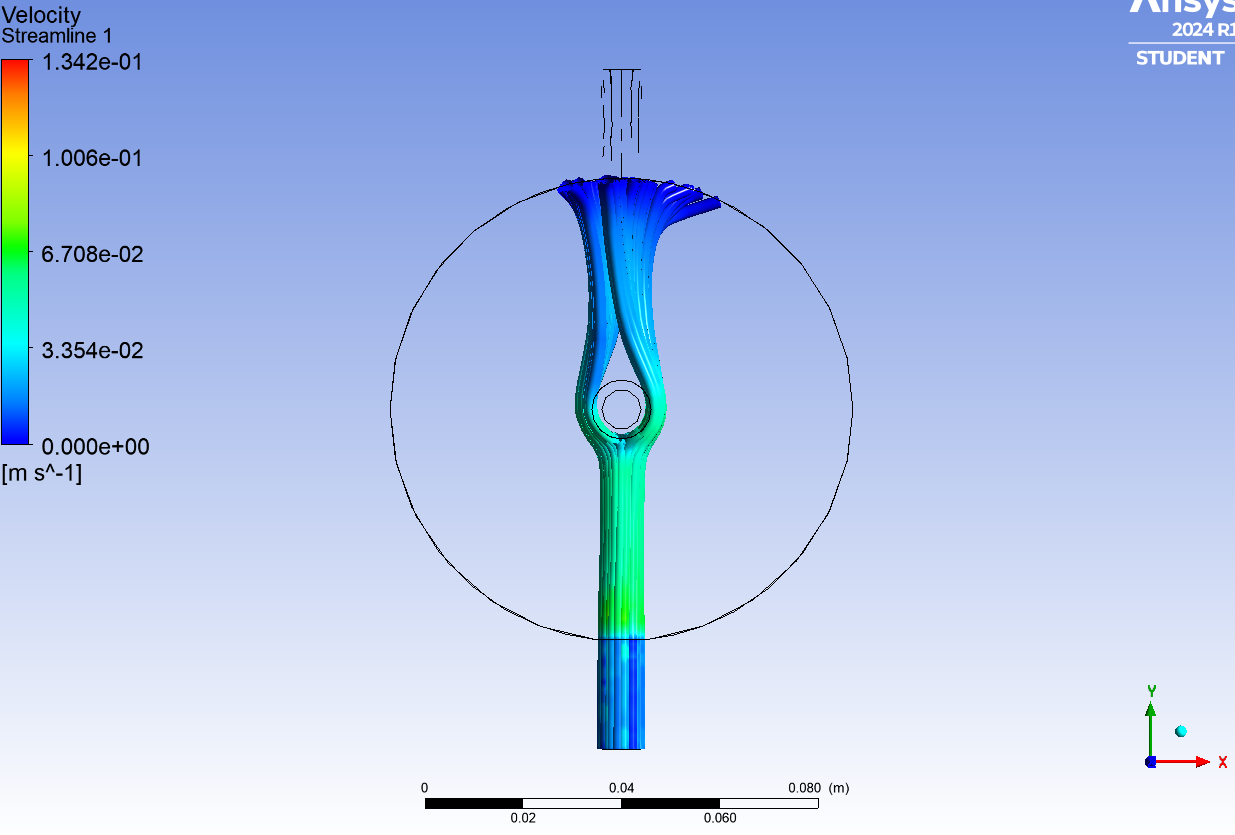
My first Fluent project, for MECH4001, compared three shell-and-tube designs: a multi-bend tube in counter-flow, the same tube in parallel flow, and a straight tube in counter-flow. They moved 313, 303 and 156 W. Counter-flow beat parallel flow by about 3%, and the straight tube did best per unit area but, with about a third of the area, moved half the heat. The energy balance closed within 0.03 W on the straight design but was out by 22 to 28 W on the bent ones, because I'd coarsened their meshes to finish in time.
Robot arm control, 2024
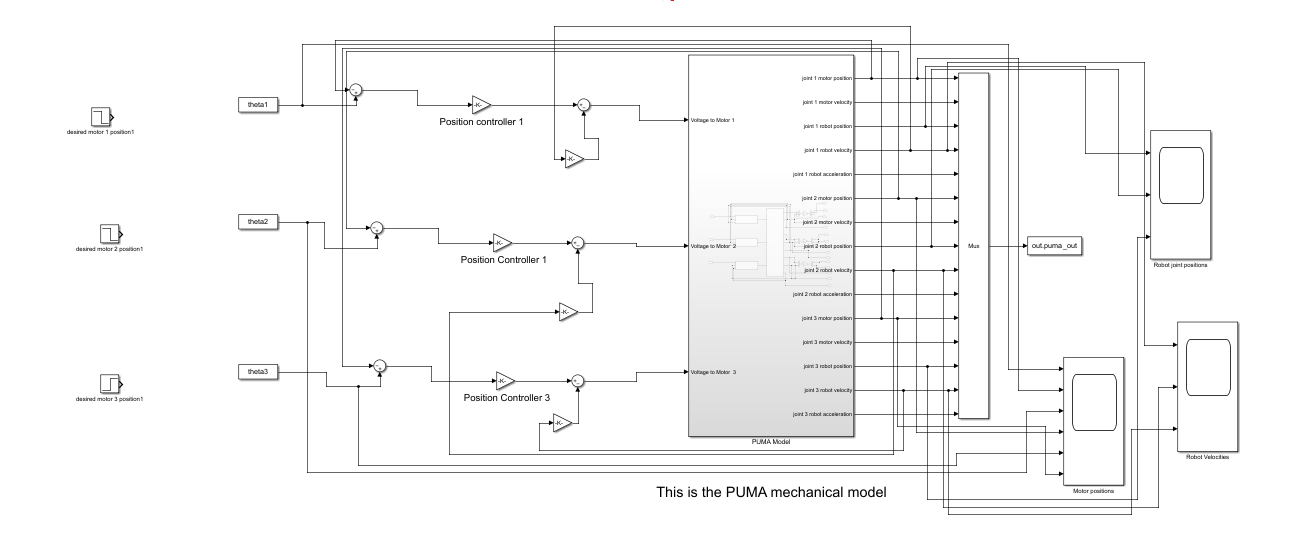
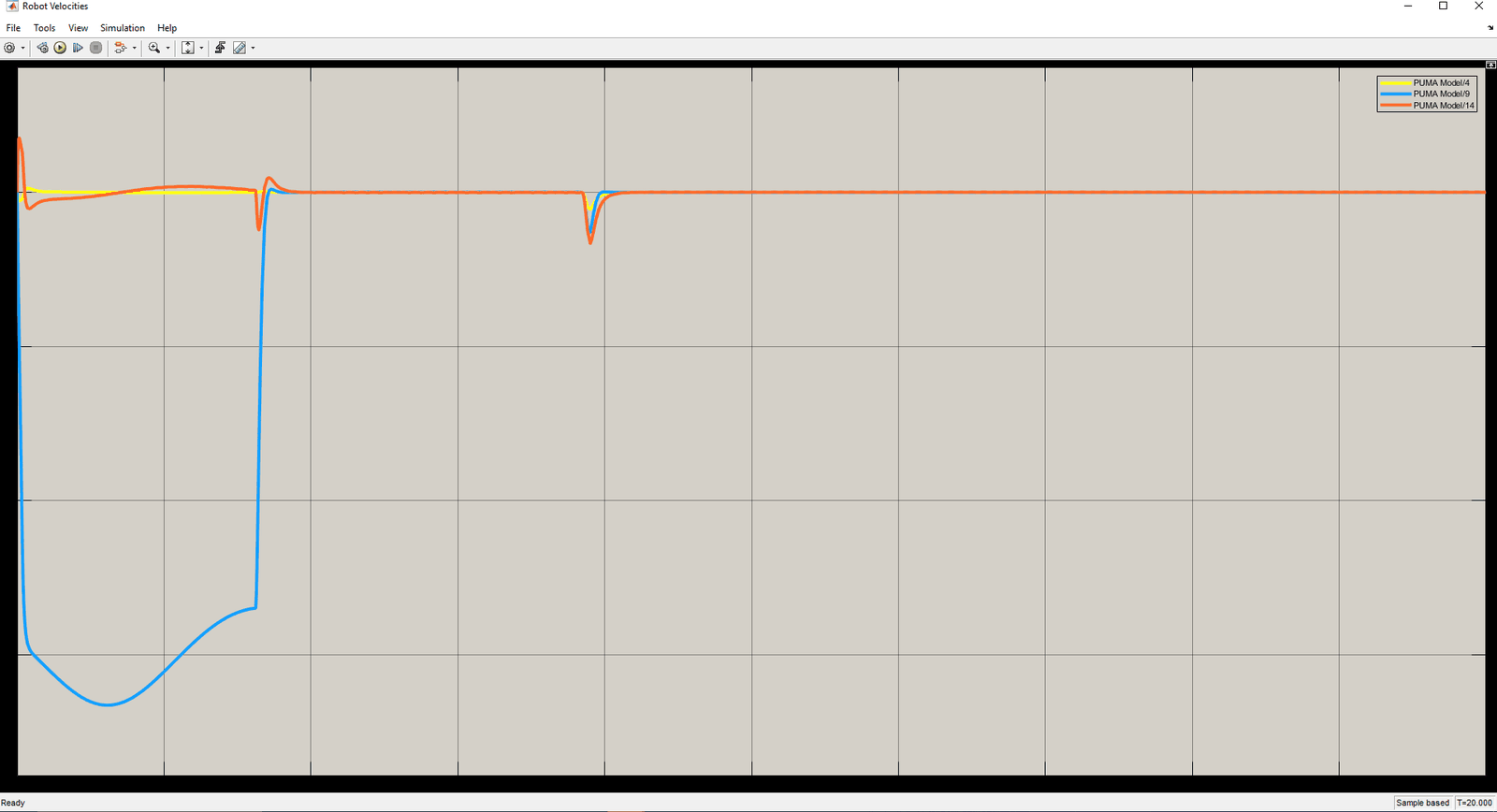
I built independent joint control and trajectory planning for the first three joints of a PUMA robot arm in Simulink, for MECH4004, with payloads up to 1 kg. The joint inertias came from the parallel axis theorem, the controller gains from the arm's 10 Hz structural resonance, and the joint speeds from the motor limits. The report is honest about its limits: large, fast moves could still send the model unstable, and the trajectory planning needed more debugging. A second assignment in the same unit trained an image classifier with MATLAB's Deep Learning Toolbox.
Mobile robotics, 2024
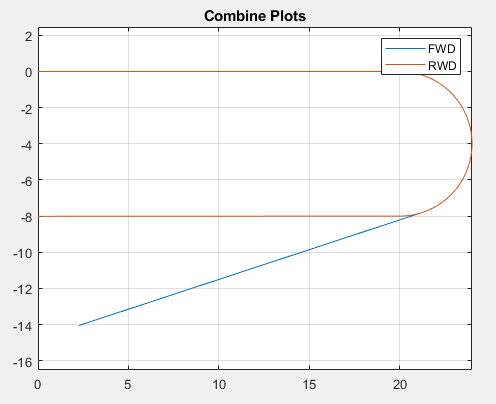
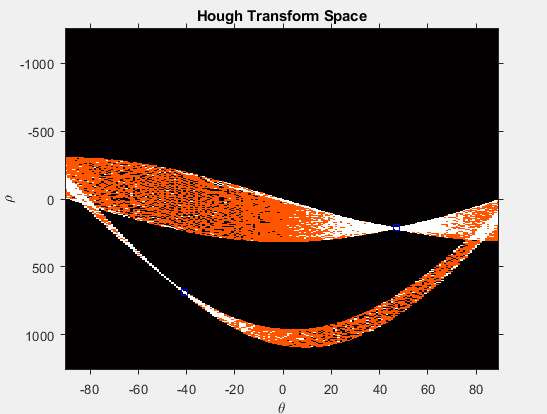
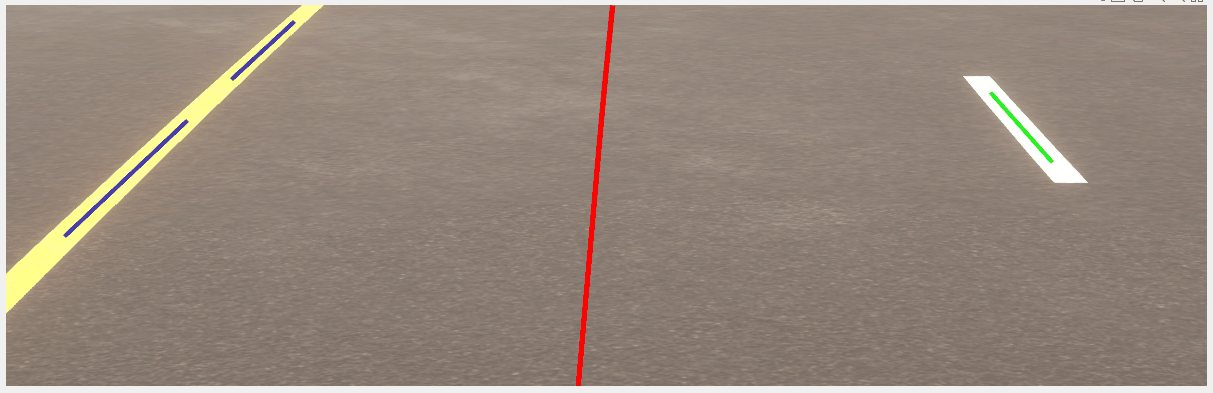
MECH4003 set two MATLAB assignments. The first modelled a tricycle robot and compared front-wheel drive with rear-wheel drive through the same manoeuvres. On the full speed profile, the front-drive version understeered and couldn't make the turn. It then localised the robot with a 1,000-particle filter on noisy range and bearing readings to landmarks. The second found lane lines in road photos, using thresholding, thinning and a Hough transform to fit them and draw a driving line down the middle. Its main lesson was how much the threshold tuning mattered.
Modular climbing dome, 2024
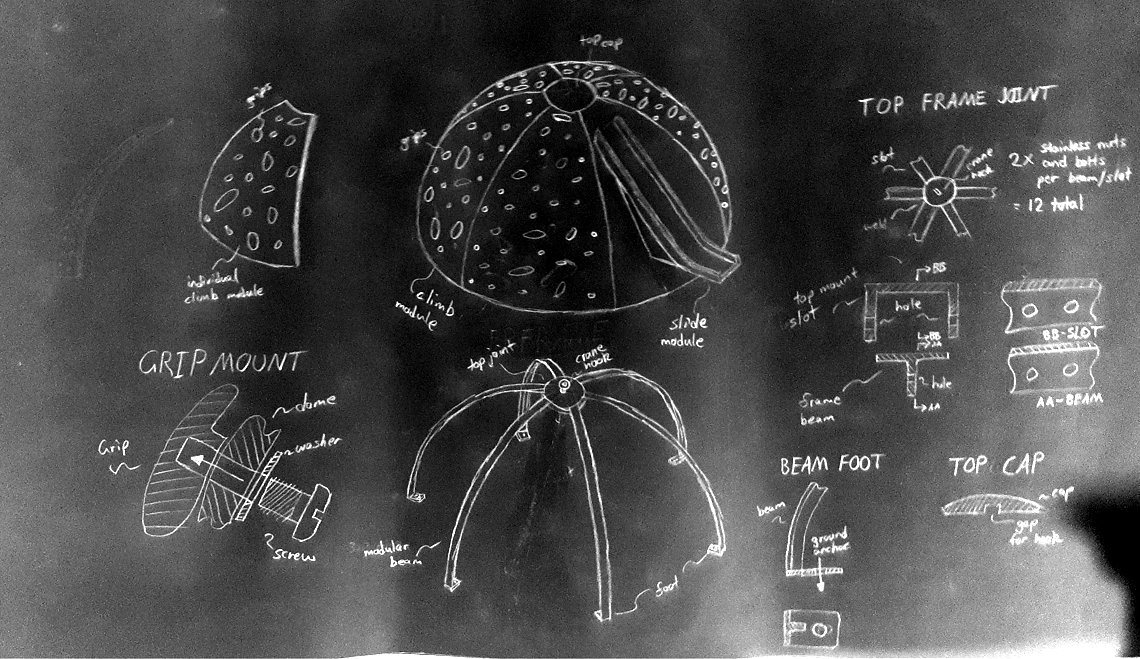
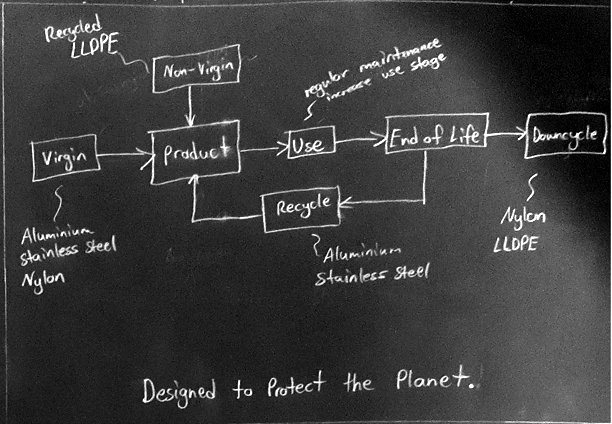
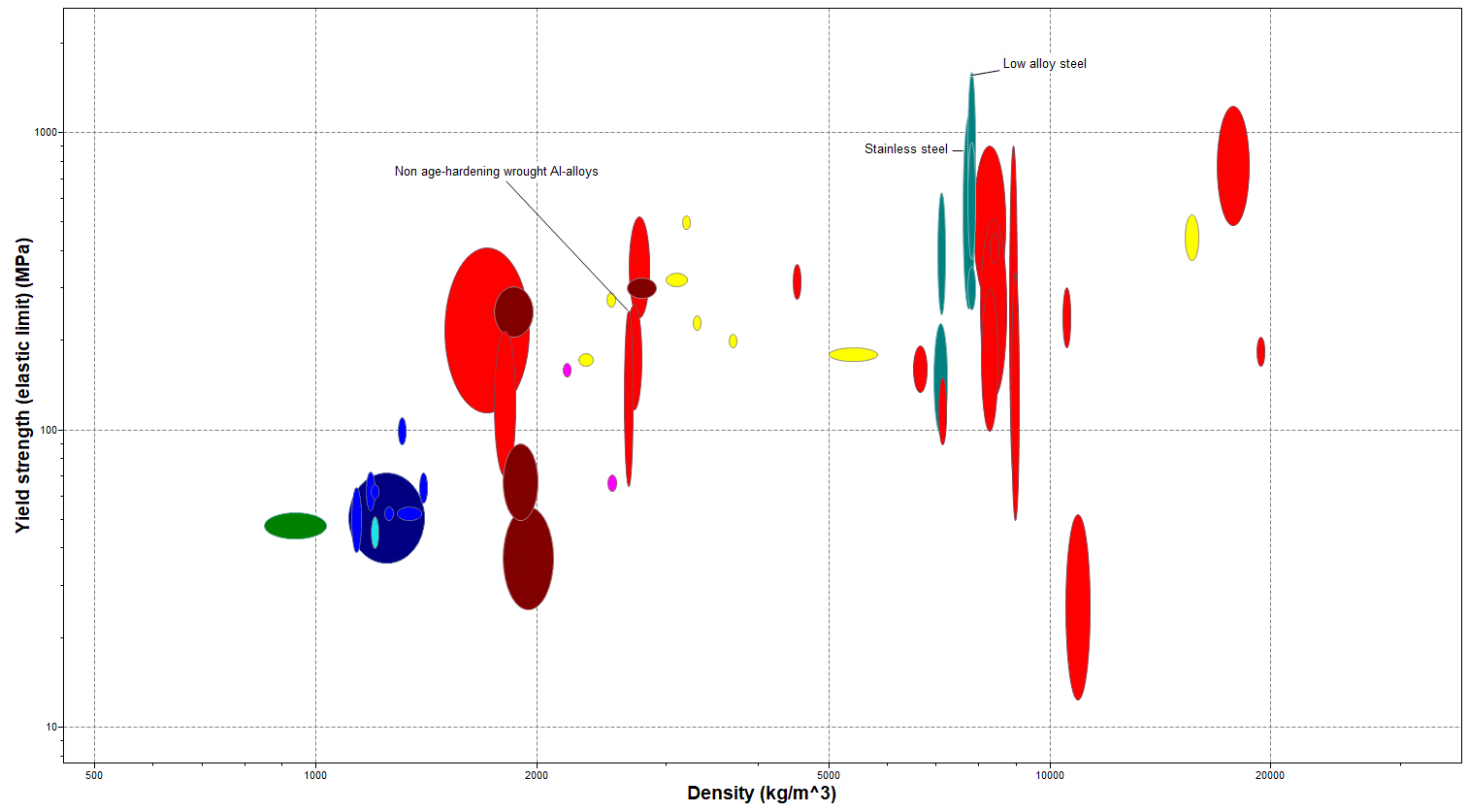
For ENGR3025 I designed a playground climbing dome with a slide, for children aged about 3 to 12, around a circular economy. The frame is modular 3003 aluminium beams, so a broken beam can be swapped instead of the whole dome, with recycled LLDPE panels, stainless fasteners and nylon washers. Materials were chosen in Granta EduPack: aluminium takes more energy to recycle than steel, but won on weight, corrosion and service life. Each material has its own end-of-life route, and a maintenance plan sets when each part is inspected or replaced.
FEA fundamentals, 2025
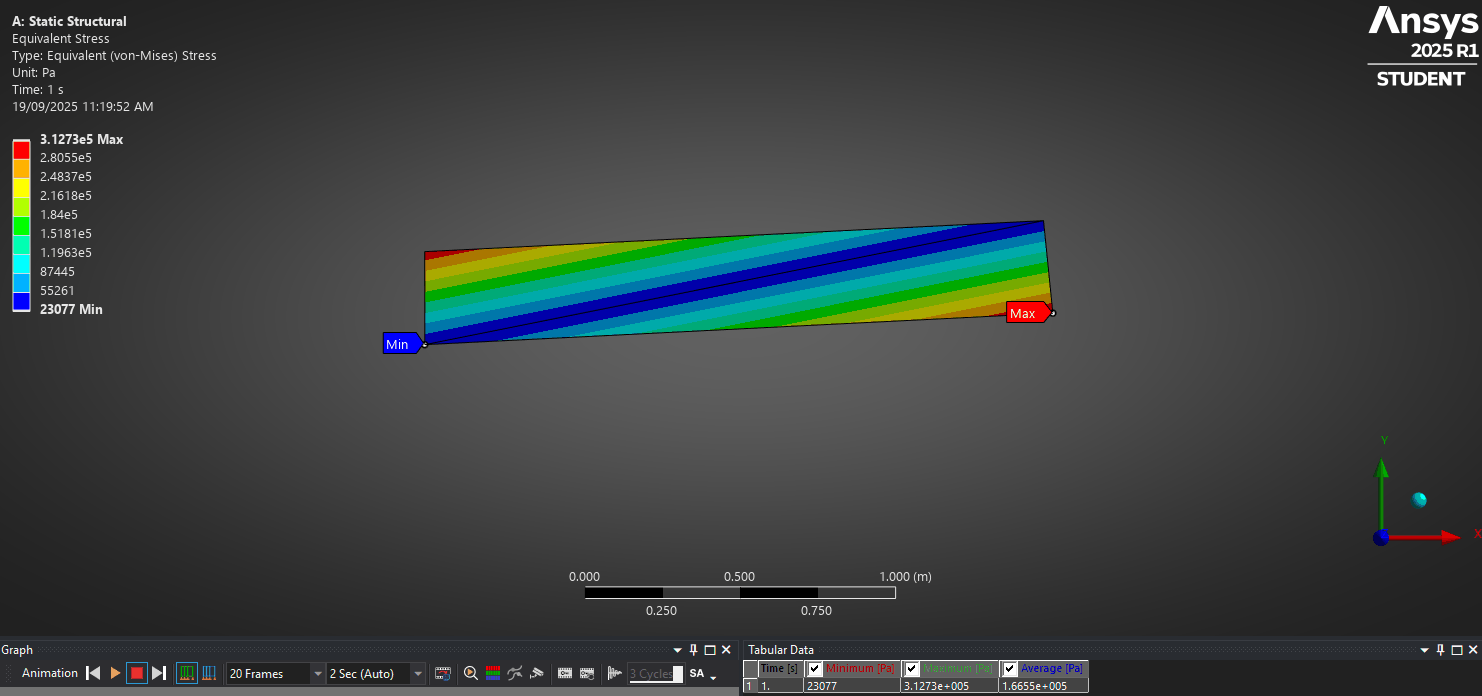
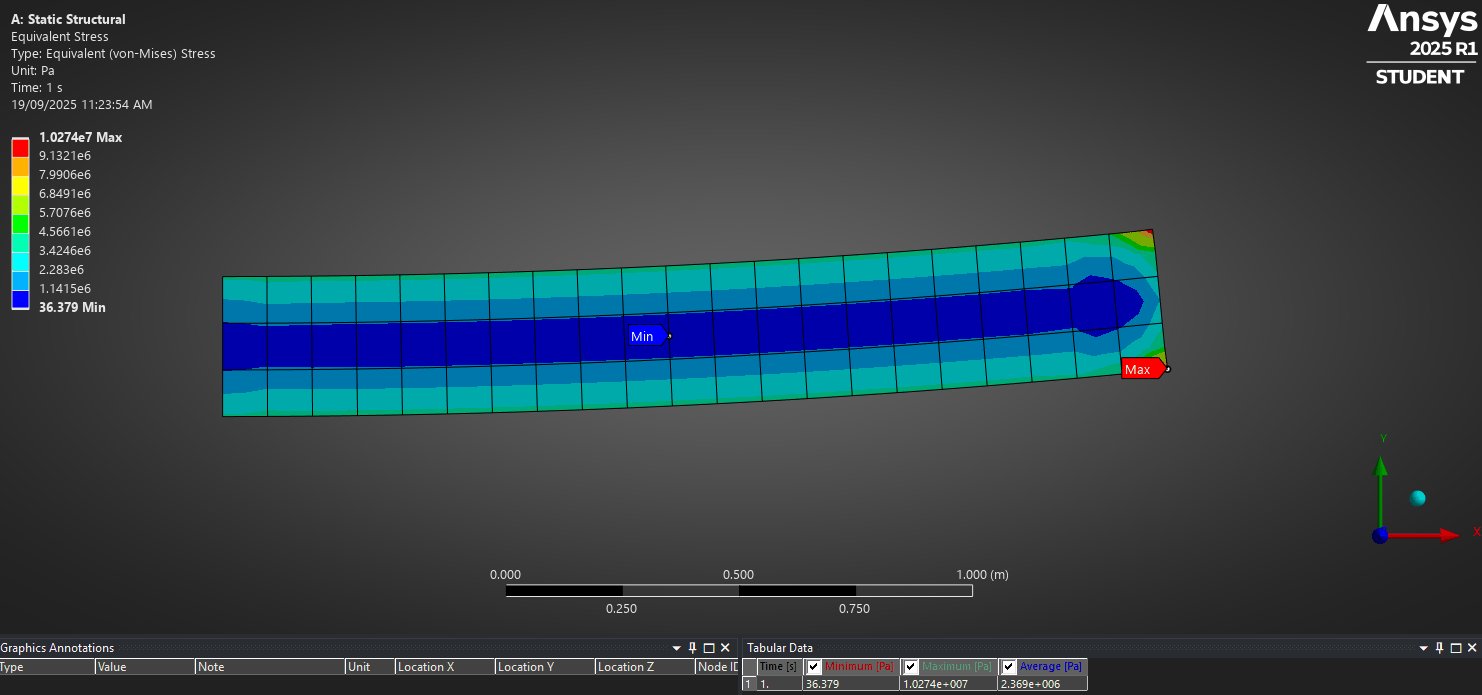
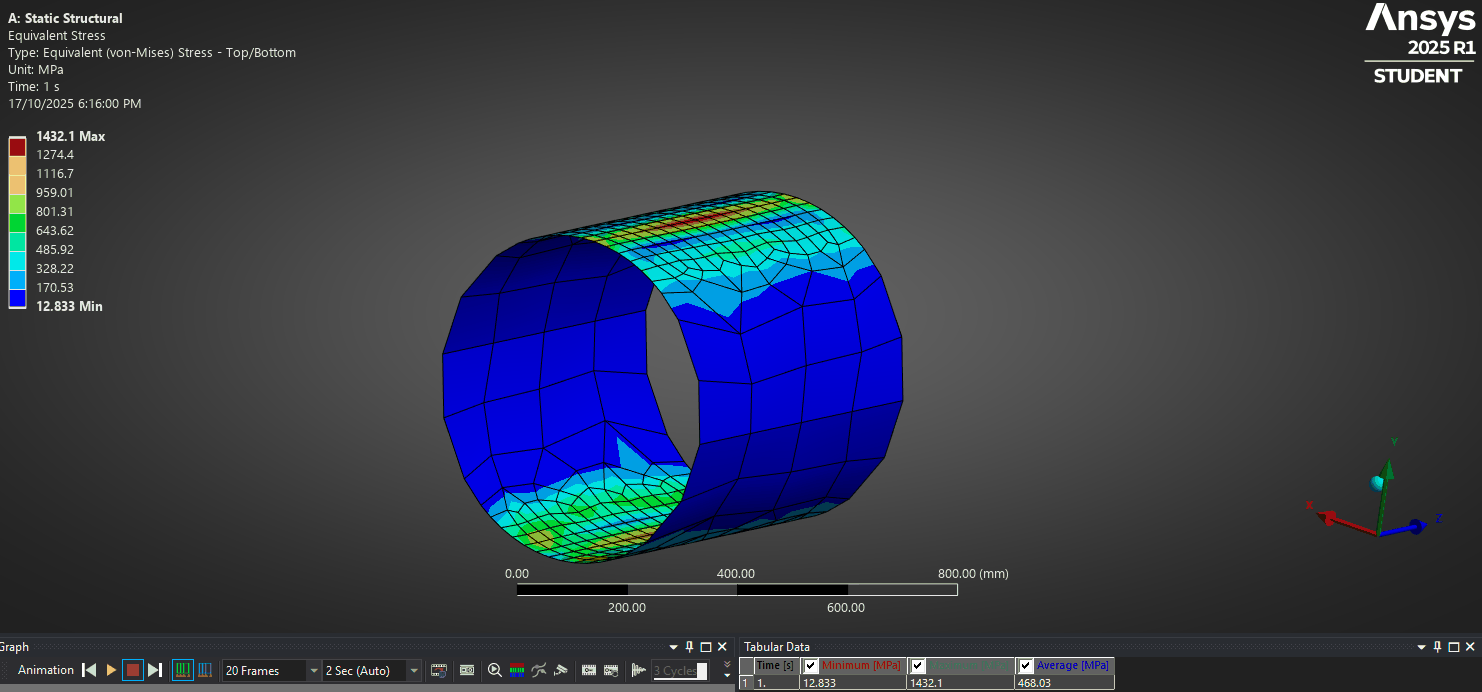
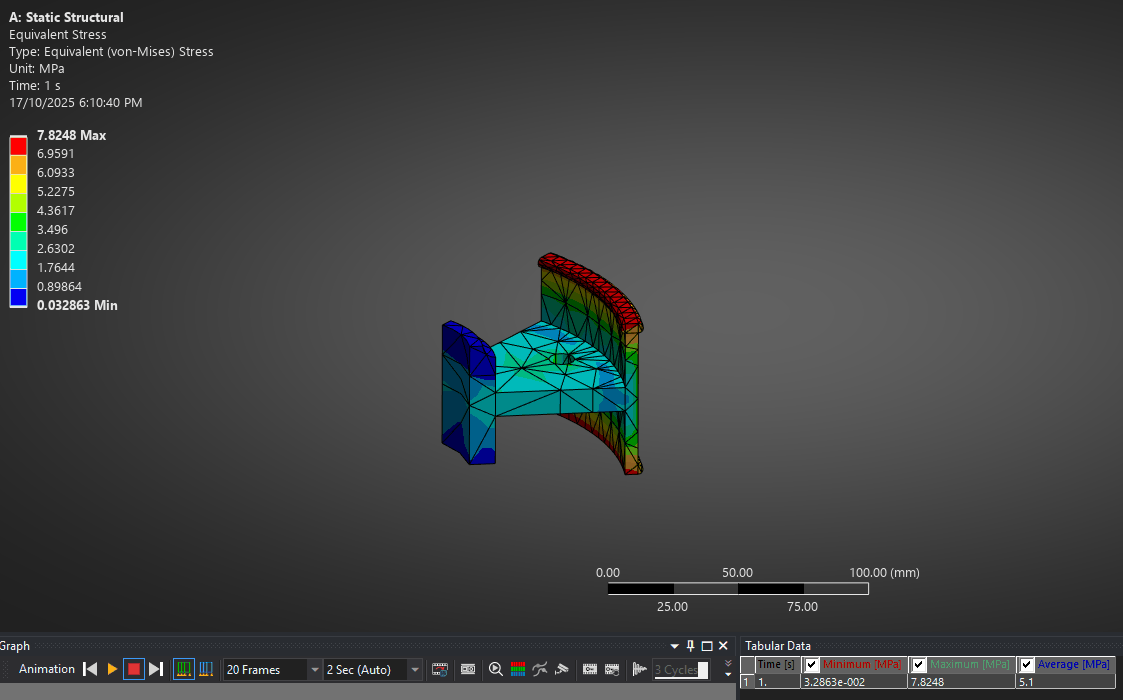
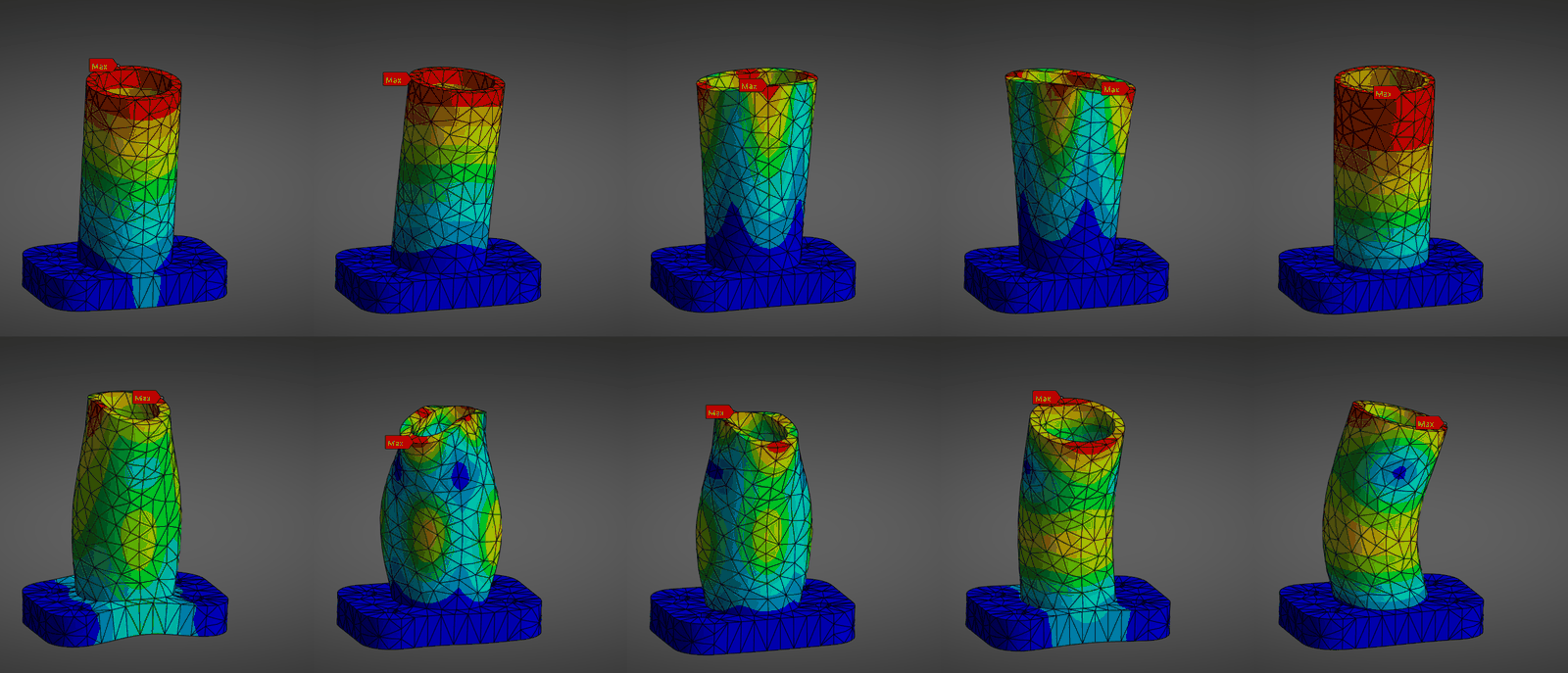
The individual half of MECH4002 ran alongside the suspension project, and I wrote it up in LaTeX. It started with springs, bars, trusses and beams solved by the direct stiffness method in Excel and checked against ANSYS, then element formulations by hand: four-node quads, constant-strain triangles and bricks. The clearest lesson was a plate modelled with just two constant-strain triangles, which read peak stress about 33 times lower than a fine mesh, because a constant-strain element can't capture bending. The last assignment covered shell elements, cyclic symmetry on a pulley and a pre-stressed modal analysis.
What I took from it
Across these units I learned most of the tools I use now: SolidWorks for drawings, motion and simulation, ANSYS Workbench and Fluent, MATLAB and Simulink, Excel for matrix methods, Granta for materials and LaTeX for reports. Some of it was solo and some was group work, and all of it ran to deadlines, which taught me to scope an analysis to the time available and say plainly in the report what that cost, like the coarser heat exchanger meshes.
- Message
- Send me a message
- in/jeremy-alec-osborne
- Based in
- Sydney, NSW